

Berichten door NextStep
Modelling the COVID-19 pandemic

We felt the urgent need to offer our expertise of infectious disease modelling to provide some clarity in the uncertainty of a new pandemic. The thought “Holy fuck, that timeline!” literally led us to become engaged with the media (newspapers, radio, and TV) throughout the year, where we relayed two main messages: (1) this epidemic…
Lees meerHow can end-of-life care be optimized during the COVID-19 pandemic?

The Erasmus MC Rotterdam will conduct nationwide research to end-of-life care of patients with COVID-19. The hospital is not only interested in the experiences of relatives, but also in those of healthcare workers. “We are conducting this research because the focus lies in preventing the spread of the coronavirus, whilst personal attention and proximity are…
Lees meerA ‘Good’ Death
What is a ‘good’ death? According to health scientists Ida Korfage and Judith Rietjens this is a question we should think about in time. In this episode of the MENS podcast they tell us why. ‘I want my children to know what I want later. Thereby I am doing them a favour and myself as…
Lees meerFood and Health Inequalities

In this episode, dr. Julian Schaap (Erasmus University Rotterdam) talks to prof.dr. Jeroen van der Waal (EUR) and dr. Joost Oude Groeniger (EUR) about the relation between health inequalities and social and cultural inequalities. Negative health outcomes such as low life expectancy and disease prevalence are often linked to lower classes, usually followed by an…
Lees meerHow can we get out of the intelligent lockdown? Luc Coffeng and Sake de Vlas discuss the scenarios
A concrete plan for the Netherlands to get out of the intelligent lockdown has not yet been designed. Governments from other countries experience trouble as well with finding an exit strategy. Professor in infectious disease moddeling Sake de Vlas and infection disease modeller Luc Coffeng discuss what would happen if we would release all measures,…
Lees meerNational screening for breast cancer now every three years rather than two years due to a lack of radiographers
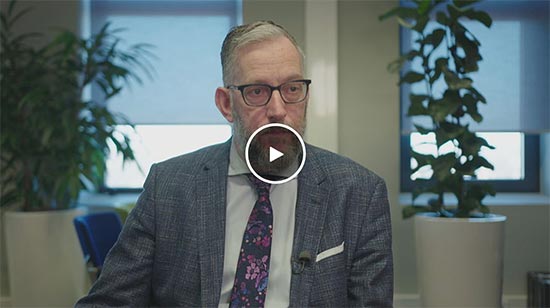
The national screening program for breast cancer is suffering from a backlog because there is lack of qualified radiographers. The screening interval will therefore temporarily be extended from 2 years to 3 years. This means that more women will die from breast cancer in the coming years.
Lees meerLung-Cancer Screening Saves Heavy Smokers’ Lives, Study Finds
Results bolster case for more widespread screening of heavy smokers who are at higher risk, researchers say. Screening for lung cancer reduces deaths among current and former heavy smokers, according to a new study that adds to the evidence supporting wider testing.
Lees meerGezond010: the Local Prevention Agreement
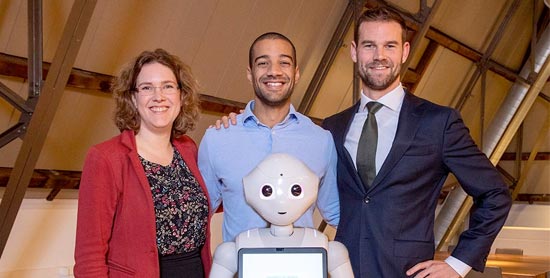
The academic collaborative center CEPHIR, the Centre for Effective Public Health in the Rotterdam area, works together with the municipality of Rotterdam and municipal health services of Rotterdam-Rijnmond, Zeeland, Zuid-Holland Zuid to improve population health and well-being and reduce health inequalities. Our intensive collaboration, our role as chair of the scientific advisory board, and our…
Lees meerCOVID Outcome Prediction in the Emergency Department (COPE)
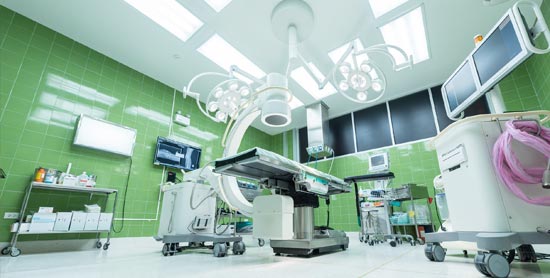
Development and validation of a model for predicting death and need for intensive care in COVID-19 patients. Using data from four large Dutch hospitals, Hester Lingsma, David van Klaveren and colleagues developed a model that predicts the probability of death and of ICU admission for patients presenting at the emergency room with COVID-19. The prediction…
Lees meer“I saw the first results, and I thought: Holy fuck, that timeline”

Exitscenarios: There still is no way out of this crisis. Scientists collaborate with the National Institute of Public Health to come up with the best exit strategy for the pandemic. Such a strategy can easily take one to two years. One sneeze, one cough and the virus may strike again. (please note: this is a…
Lees meer